
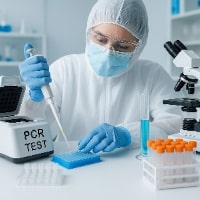
(December 18, 2025): Laboratory Polymerase Chain Reaction (PCR) testing for urinary tract infections (UTIs) offers rapid, sensitive pathogen detection but often presents complex coding and billing challenges for Medicare providers and laboratories. Medicare contractors are increasingly denying UTI test claims due to issues with medical necessity, documentation, and improper coding/billing practices. Robust compliance and up-to-date knowledge of regulatory requirements are essential for laboratories and providers. This article examines the scientific basis of PCR testing for UTIs, the associated billing risks, and the evolving audit and enforcement environment shaping the coverage and payment of these claims. We have also examined several cases where the government has alleged that individuals and/or entities have violated the False Claims Act or have engaged in criminal conduct.
I. Testing for Urinary Tract Infections (UTIs):
A “urinary tract infection” is a broad term that includes an infection of any part of an individual’s urinary system. The urinary system includes the kidneys, ureters, bladder, and urethra. Urinary tract infections (UTIs)[1] are one of the most common diseases on the planet. UTIs affect approximately 400 million people and result in 240,000 deaths each year.[2] For more than 60 years, health care providers and laboratories have relied on a “Standard Urine Culture” (SUC) test to diagnose UTIs and identify the specific bacteria causing an infection. This test is also sometimes referred to as “Bacterial Urine Culture” (BUC) testing. SUC and BUC both refer to the same laboratory test for detecting bacteria in urine and diagnosing UTIs. There is no difference in the testing process or interpretation between the two terms.
SUC testing for UTIs has long been considered the “gold standard” for UTI testing.[3] For the purposes of this article, we have collectively referred to the SUC testing and BUC testing methodologies as “SUC testing.” An overview of the SUC testing process is set out below.
II. Overview of Standard Urine Culture (SUC) Testing and Its Role When Diagnosing Urinary Tract Infections:
A. Early History of the Analysis of Urine in Patient Care.
According to scholars, laboratory medicine first began around 6,000 years ago, with “uroscopy,” the analysis of human urine. The word “uroscopy,” is derived from two Greek words, “ouron,” which means urine, and “skopeoa” which means to behold, contemplate, examine, or inspect.[4] Hippocrates is credited with first diagnosing diabetes. To accomplish this, Hippocrates is alleged to have considered a number of factors, including, but not limited to, the fact that a possible diabetic patient exhibited polyuria,[5] complained of polydipsia,[6] and exhibited symptoms of polyphagia.[7] In addition to the three “Ps” of diabetes, Hippocrates is also alleged to have considered the fact that the patient’s urine tasted sweet. The word “mellitus” in diabetes mellitus comes from Latin, meaning “flavored with honey.”[8]
B. Development of the SUC Testing Process.
In the 1950s, Edward H. Kass, M.D., a professor at Harvard Medical School, first developed the SUC method for evaluating urinary tract infections.[9] The SUC test went on to become one of the most widely used microbiological tests in the world. It is routinely used by health care providers and diagnostic laboratories to diagnose urinary tract infections.
C. What is the Purpose of SUC Testing for UTIs?
The SUC test is a laboratory procedure used to detect and identify bacteria or other microorganisms present in a urine sample. The primary purpose of SUC testing for UTIs is to diagnose urinary tract infections by detecting the presence of bacteria in the urine. To the extent that bacteria are present, SUC testing for UTIs helps to identify the specific type of bacteria causing the infection. With this information, health care providers can choose the most effective antibiotic to be ordered for the patient.
D. What are the Steps Involved in SUC Testing for UTIs?
An overview of the process utilized when performing SUC testing for UTIs is discussed below.
- Steps Taken Prior to SUC Testing for UTIs:
- Patient Preparation. The patient is instructed on how to collect a clean-catch, midstream urine sample. This helps minimize contamination.
- Sample Collection. The patient cleans the urethral opening with a sterile wipe. When the patient begins urinating, the patient collects the midstream portion of urine in a sterile container.
- Sample Transfer. The sample collected is transferred to a diagnostic laboratory for testing.
- Steps Taken in the SUC Testing for UTIs Process:
- Sample is Inoculated [10] Onto Culture Media Plates. Once the urine sample is received at the laboratory, a small amount of the urine is placed onto culture media plates using a sterile loop.
- Culture Media Plates are Streaked. The culture media plates are streaked to allow individual colonies of bacteria to grow.
- Incubation.[11] The inoculated culture media plates are incubated at 35–37°C (95–98.6°F) for 18–24 hours to allow bacteria (if present) to grow.
- Colony Counting. After incubation, the culture media plates are examined for bacterial growth. The number of colonies is counted to estimate the concentration of bacteria in the urine, reported as colony-forming units per milliliter (CFU/mL). Growth of greater than or equal to 100,000 CFU/mL of a single organism is typically considered significant for UTI, but lower counts may also be clinically relevant in some cases.
- Identification of Bacteria. The type of bacteria that may be present has grown on the culture media plates. Biochemical tests or automated systems can be used to identify the specific bacteria that is infecting the patient.
- Antibiotic Susceptibility Testing. If bacteria are present, further testing is done to determine which antibiotics are likely to be effective against the isolated organism. This helps guide a patient’s appropriate treatment regimen.
- Reporting Results. Once the identification process is completed, the laboratory will report the organism(s) identified through testing, the quantity (CFU/mL), and the antibiotic susceptibility profile to the patient’s healthcare provider.
The use of SUC testing has been a tried-and-true diagnostic tool that has long been the standard for identifying the nature of urinary tract infections. However, compared with PCR testing, SUC testing has several drawbacks. When relying on SUC testing for UTIs, it typically takes 1-2 days to identify the specific bacteria causing an infection of the patient’s urinary system. In light of the timeliness drawbacks with SUC testing, the number of laboratories employing PCR testing to assess urinary system infections has greatly increased in recent years.
III. Overview of Polymerase Chain Reaction (PCR) Testing and Its Role When Diagnosing Urinary Tract Infections:
A. History of the Development of PCR Testing.
In 1985, while working as a chemist at a California-based biotechnology firm, Kary Mullis,[12] Ph.D., invented the PCR testing technique. At this time, Dr. Mullis was an employee of Cetus Corporation. He was required to assign all patent and intellectual property rights to the company, which were ultimately sold to Hoffman-La Roche in 1991.[13] As a result, Dr. Mullis received no royalties or income from the commercial use of PCR testing. Although he did not financially benefit from his efforts, in 1993, Dr. Mullis was awarded the Nobel Prize in Chemistry.[14]
B. What is the Purpose of PCR Testing?
Simply put, PCR testing allows a laboratory to rapidly and precisely “amplify”[15] small segments of DNA and RNA in a sample. It makes it easier and faster for laboratories to replicate this genetic material, thereby enabling a wide range of molecular biology applications, including gene sequencing, gene cloning, and disease diagnosis. In the case of urine samples, PCR testing enables the detection of even minute amounts of pathogen genetic material.
C. What are the Steps Involved in PCR Testing for UTIs?
There are a number of steps involved in the initial collection of a sample, the preparation of a sample prior to testing, and the use of a thermal cycler to amplify the DNA and perform diagnostic medical testing of the amplified DNA. Overviews of this process are described below:
- Steps Taken Prior to the PCR Testing for UTIs:
- Sample Collection. A health care provider collects a sample from a patient. The sample collected is usually blood, urine, or tissue. It is kept in a sterile container and is usually kept cold to preserve DNA integrity.
- Sample Transfer. The sample collected is transferred to a diagnostic laboratory for testing.
- Concentration of Cells. The urine sample is placed in a centrifuge tube and centrifuged. This force causes particles denser than the surrounding urine, such as red and white blood cells, epithelial cells, crystals, and sometimes bacteria or yeast, to move outward and settle at the bottom of the centrifuge tube. These dense cells and other components will form a pellet that can then be separated for the next step in the testing process.
- Lysis[16] Buffer. A specially formulated chemical solution is used to break open the centrifuged, concentrated cells so that their DNA (or RNA) can be released. Proteins and other contaminants are removed from the DNA that has been released.
- DNA Purification. The DNA released in the lysis buffer process is subjected to a purification process so that any contaminants can be removed. The purified DNA is then released into a small amount of water. Spectrophotometry can then be used to review the quality and purity of the DNA that has been extracted.
- Steps Taken in the PCR Testing for UTIs:
- PCR Reagents. After DNA is extracted from the sample, the DNA is mixed with PCR reagents (a selected set of chemicals that enable DNA amplification).
- Thermal Cycler.[17] After adding the PCR reagents, the mixture is run through a thermal cycler, which automatically and precisely changes temperature in a programmed sequence to enable the amplification of the previously extracted DNA.
- Repetition. This process is repeated multiple times to exponentially amplify the target DNA.
- Analysis of Amplified DNA. Typically, a thermal cycler runs a specific set of steps where it cycles through the following steps: (a) the thermal cycler heats the amplified sample to separate DNA strands, (b) the separate DNA strands are cooled so that primers can bind to the DNA, (c) enzymes are used to build new DNA strands.
- Detection of Specific Pathogens. Thermal cyclers employ specific fluorescent dyes and probes to detect and identify specific pathogens. Moreover, thermal cyclers employ a process called “multiplexing” to identify multiple organisms simultaneously. The thermal cycler utilizes specific software and sophisticated optical systems to assess the fluorescence data to determine whether a specific organism is present. In summary, thermal cyclers use a combination of dye specificity, optical detection, and software analysis to accurately identify which organisms are present in the sample amplified DNA.
IV. Comparison of SUC Testing for UTIs vs. PCR Testing for UTIs:
Historically, health care providers caring for patients with UTIs have heavily relied on the results of SUC testing to diagnose an infection. In approximately 2016, laboratories first started utilizing PCR testing to assess urinary tract infections. Since that time, many healthcare providers have discontinued ordering SUC tests for UTI diagnosis and have increasingly relied on PCR testing for this purpose. The ordering of PCR testing for UTIs has greatly accelerated in recent years. Concerns have been raised that some providers have been improperly ordering PCR testing for routine UTI testing.[18] Let’s compare these two testing options:
| Issues to be Considered | PCR Testing for UTIs | SUC Testing for UTIs |
|---|---|---|
| Testing Turnaround Time | The results of PCR testing for UTIs are generally available within a matter of hours. | The results of SUC testing for UTIs are not typically available until 1 -2 days after the test is initiated. |
| Sensitivity and Specificity | PCR testing is highly sensitive and better at diagnosing multiple pathogens.[19] | SUC testing for UTIs is effective but less sensitive than PCR testing for UTIs. Moreover, it is less effective at diagnosing multiple pathogens. |
| Polymicrobial Detection[20] | PCR testing (especially multiplex PCR testing for UTIs) significantly facilitates polymicrobial detection, often identifying pathogens that are missed using SUC testing for UTIs. | SUC testing has significant limitations in detecting polymicrobial UTIs. |
| Resistance Detection | PCR testing makes it easier to rapidly find specific genetic mutations or genes in bacteria that cause resistance to antibiotics. | When using SUC for resistance detection, several steps are required. You must identify the specific bacteria causing a UTI and then test to see which antibiotics are effective against them. |
| FDA Approval of Testing Components | Multiplex PCR testing for urinary tract infections has not been FDA-approved for routine diagnosis. The FDA hasn't cleared widespread use for routine UTI diagnosis due to insufficient evidence of improved patient outcomes.[21] |
SUC testing isn't directly FDA-approved as a “device.” Nevertheless, it is considered to be the "gold standard" for identifying UTI-causing bacteria. The FDA has cleared the “instruments” and “reagents” used by laboratories when performing SUC testing. |
| Clinical Utility | PCR testing for UTIs offers significant clinical utility by providing faster, more accurate, and comprehensive diagnosis than traditional cultures, especially in complex cases, thereby enabling more rapid, targeted antibiotic treatment, improved outcomes, and better antibiotic stewardship. PCR testing for UTIs is also helpful when detecting persistent or unusual pathogens. | SUC testing for UTIs has a long history of acceptance and has been widely adopted throughout the industry. However, it has several limitations regarding clinical utility. It is often slow and has difficulty detecting polymicrobial organisms (missing up to 72% in complex cases).[22] Additionally, SUC testing for UTIs is susceptible to contamination. |
V. Medicare Coverage of Laboratory Testing to Detect Urinary Tract Infections:
At the outset, it is worth noting that CMS has not published National Coverage Determination (NCD) guidance addressing either SUC or PCR-based UTI testing. The only relevant NCD, “Urine Culture, Bacterial” (190.12),[23] pertains to traditional bacterial urine cultures, not to molecular diagnostics. As a result, the decision to publish further coverage guidance has been left to local Medicare Administrative Contractors (MACs). Health care providers and suppliers must review whether their particular MAC has issued any Local Coverage Determinations (LCDs) or Local Coverage Articles (LCAs) addressing SUC testing for UTIs or PCR testing for UTIs.
A. LCD Guidance on the Use of SUC Testing for UTIs or PCR Testing for UTIs.
We have been unable to identify any LCD guidance issued by MACs that addresses “Standard Urine Culture” (SUC) testing. However, this is not the case for PCR testing. Four MACs have issued LCD guidance on the identification of infectious disease pathogens using “Molecular Syndromic Panels.”[24] Each of these LCDs covers multiple diagnostic testing procedures, including PCR or nucleic acid amplification panels used to diagnose urinary tract infections. Additionally, several of these MACs have issued LCAs regarding the billing and coding of molecular syndromic panel tests. Relevant guidance issued by the MACs is set out below.
| MAC Name | LCD and/or LCA Number | LCD/LCA Title | States/Territories Covered (Part B Only) |
LCD/LCA Effective Date |
|---|---|---|---|---|
| Palmetto GBA |
Jurisdiction J-J
L38988[25] Jurisdiction J-M
L38988 |
LCD -- MolDX: Molecular Syndromic Panels for Infectious Disease Pathogen Identification Testing. |
Jurisdiction J-J
Alabama, Georgia, Tennessee Jurisdiction J-M
South Carolina, Virginia, West Virginia, North Carolina |
For services performed on or after 07/03/2025. |
| Palmetto GBA | Frequently Asked Questions (FAQs) Regarding LCD L38988[26] |
FAQs -- MolDX®: Molecular Syndromic Panels for Infectious Disease Pathogen Identification Testing. | The jurisdiction(s) covered by these FAQs are not discussed. | June 2023. |
| Palmetto GBA |
Jurisdiction J-J
A58710[27] Jurisdiction J-J
A58710 |
Article - Billing and Coding: MolDX: Molecular Syndromic Panels for Infectious Disease Pathogen Identification Testing. |
Jurisdiction J-J
Alabama, Georgia, Tennessee Jurisdiction J-M
South Carolina, Virginia, West Virginia, North Carolina |
Revision effective date – 10/01/2025. |
| WPS Health Solutions |
Jurisdiction J-5
L39044[28] Jurisdiction J-8
L39044 |
LCD -- MolDX: Molecular Syndromic Panels for Infectious Disease Pathogen Identification Testing. |
Jurisdiction J-5
Iowa, Kansas, Missouri (entire state), Nebraska, Jurisdiction J-8
Indiana, Michigan |
For services performed on or after 04/17/2022. |
| WPS Health Solutions |
Jurisdiction J-05
A58761[29] JurisdictionJ-08
A58761 |
Article - Billing and Coding: MolDX: Molecular Syndromic Panels for Infectious Disease Pathogen Identification Testing. |
Jurisdiction J-5
Iowa, Kansas, Missouri (entire state), Nebraska, Jurisdiction J-8
Indiana, Michigan |
Revision effective date – 10/01/2025. |
| CGS Administrators |
Jurisdiction J-15
L39038[30] |
LCD -- MolDX: Molecular Syndromic Panels for Infectious Disease Pathogen Identification Testing. |
Jurisdiction J-15
Kentucky, Ohio |
For services performed on or after July 3, 2025. |
| CGS Administrators |
Jurisdiction J-15
A58747[31] |
Article - Billing and Coding: MolDX: Molecular Syndromic Panels for Infectious Disease Pathogen Identification Testing. |
Jurisdiction J-15
Kentucky, Ohio |
Revision effective date – 10/01/2025. |
| CGS Administrators |
Jurisdiction J-15
A59007[32] |
Response to Comments: MolDX: Molecular Syndromic Panels for Infectious Disease Pathogen Identification Testing |
Jurisdiction J-15
Kentucky, Ohio |
Original Effective Date – 03/03/2022. |
| Noridian Healthcare Solutions, LLC |
Jurisdiction J-E
L39001[33] Jurisdiction J-F
L39003[34] |
LCD -- MolDX: Molecular Syndromic Panels for Infectious Disease Pathogen Identification Testing |
Jurisdiction J-E
California, Hawaii, Nevada, American Samoa, Guam, Northern Mariana Islands, Jurisdiction J-F
Alaska, Idaho, Oregon, Washington, Arizona, Montana, North Dakota, South Dakota, Utah, Wyoming |
For services performed on or after July 3, 2025. |
| Noridian Healthcare Solutions, LLC |
Jurisdiction J-E
A58720[35] Jurisdiction J-F
A58726[36] |
Article -- Billing and Coding: MolDX: Molecular Syndromic Panels for Infectious Disease Pathogen Identification Testing |
Jurisdiction J-E
California – Northern, California – Southern, Jurisdiction J-F
Alaska, Idaho, Oregon, Washington, Arizona, Montana, North Dakota, South Dakota, Utah, Wyoming |
Revision effective date – 10/01/2025. |
| National Government Services | National Government Services (NGS) does not participate in the MolDX program. Therefore, Z codes are not required. However, NGS can implement a similar LCD if it chooses to do so in the future. Instead of Z codes for these states, panel tests will likely be reported under Proprietary Laboratory Analyses (PLA) Current Procedural Terminology (CPT) codes. | |||
| Novitas Solutions | Novitas Solutions (Novitas) does not participate in the MolDX program. Therefore, Z codes are not required. However, Novitas can implement a similar LCD if it chooses to do so in the future. Instead of Z codes for these states, panel tests will likely be reported under Proprietary Laboratory Analyses (PLA) Current Procedural Terminology (CPT) codes. | |||
| First Coast Service Options | First Coast Service Options (First Coast) does not participate in the MolDX program. Therefore, Z codes are not required. However, First Coast can implement a similar LCD if it chooses to do so in the future. Instead of Z codes for these states, panel tests will likely be reported under Proprietary Laboratory Analyses (PLA) Current Procedural Terminology (CPT) codes. | |||
B. LCD Guidance on the Use of PCR Testing for UTIs.
As a review of the LCDs above shows, none of the MACs nationwide have issued an LCD specifically and exclusively covering the PCR testing of urine samples for possible urinary tract infections. Four MACs currently participate in the MolDX program and have published very similar LCDs titled “MolDX: Molecular Syndromic Panels for Infectious Disease Pathogen Identification Testing,” that outline coverage criteria, limitations, and documentation requirements for PCR-based testing. While the four LCDs published by MACs are very similar, as a general rule, you should always review the specific coverage criteria and billing requirements for your jurisdiction to confirm that no new LCD requirements or LCA guidance have been issued that might impact whether your claims qualify as medically necessary, are fully documented, or comply with the MAC’s coding/billing requirements. All four of the current LCDs specifically address testing for urinary tract infections. For example, CGS Administrator’s LCD L39038 states the following:
“FOR THE SPECIFIC PANEL TYPES LISTED BELOW, ALL OF THE FOLLOWING ADDITIONAL CRITERIA MUST BE MET:
. . .
• Urinary Tract Infection (UTI) Panels will be covered according to the following additional criteria:
- The patient is symptomatic AND at higher risk for UTI complications (i.e., the elderly, patients with recurrent symptomatic UTIs and/or complicated urinary tract anatomy) AND/OR is seen in urogynecology or urology specialty care settings.” [37]
The LCDs published by Noridian Healthcare Solutions LLC, Wisconsin Physicians Service Insurance Corporation, CGS Administrators LLC, and Palmetto GBA all contain the same language regarding the coverage of urinary tract infection testing panels. As the express language of the UTI panel guidance reflects, in order for these tests to qualify for coverage and payment, the patient must be “symptomatic AND at higher risk for UTI complications.”
In order to qualify for coverage and show that the testing was medically necessary, providers must properly document these factors. If a patient does not meet these criteria, more traditional urinalysis testing should be utilized. PCR testing for UTIs is covered only when standard diagnostic methods are insufficient, and the test directly affects patient management. Routine or screening use is not covered. Check your LCD’s coverage and payment requirements before you order PCR testing for UTIs!
VI. Overview of Government Enforcement of PCR Testing for Urinary Tract Infections Claims:
From an enforcement standpoint, there is a wide range of CMS contractors and law enforcement groups that may conduct audits and investigations of your UTI laboratory testing claims. While most reviews of PCR testing for UTIs claims are handled as administrative audits, should the facts in a case warrant more serious review, the government may pursue civil penalties or criminal sanctions. These audit and enforcement options are discussed in more detail below.
A. Administrative Audits.
CMS has engaged a variety of contractors to review and audit Medicare Part B claims. While some of these CMS contractors are primarily involved in the processing of a provider’s claims, several others have been assigned a variety of program integrity functions. Unified Program Integrity Contractors (UPICs)[38] are the primary program integrity contractors likely to audit your UTI testing claims. The primary denial reasons cited by UPICs when denying UTI testing claims have included the following:
- Lack of Medical Necessity. While your CMS contractor may word the denial differently, we are regularly seeing UPICs deny PCR urinary tract infection testing claims based on lack of medical necessity and stating:
“The records failed to support how the lab tests would impact the treatment or management of the beneficiary’s medical conditions, and how they met, and did not exceed, the beneficiary’s medical needs.”
To establish medical necessity for Medicare coverage, the UPIC has been looking for documentation in the patient’s Treatment Plan or Plan of Care that will tie the patient’s clinical condition to the need for UTI testing. A provider must clearly document that the test is reasonable and necessary for diagnosing or managing the patient’s specific clinical condition. This includes showing that the patient’s symptoms, risk factors, and/or prior diagnostic failures justify the use of PCR testing over standard methods (such as SUC testing). Additionally, the test must meet technical and administrative requirements, such as registration with the MolDX program (where applicable), and all claims must be supported by detailed medical records.
- Improper Billing and Coding Practices. There are a wide variety of ways that UTI testing claims can be improperly billed or coded. One of the more common improper coding practices cited by UPICs has been the incorrect use of Modifier 59. Sample denial language cited by a UPIC might read:
“Most of the claim lines reviewed had modifier 59 appended to the claims lines to indicate that the services billed were distinct or independent from the other services billed on the same date, which was not supported in the documentation.”
Unfortunately, Modifier 59 has a long history of being incorrectly billed by Medicare providers.[39] Modifier 59 is only to be used when a provider is billing for a distinct procedural service that is separate from other services performed on the same day. Earlier this year, CMS issued detailed guidance on the use of Modifier 59, titled “Proper Use of Modifiers 59, XE, XP, XS & XU.”[40]
In the UTI testing context, a provider would need to document that urine tests performed on the same day involved one or more of the following: (1) Resulted from different patient encounters, (2) Were based on separate urine specimens, (3) Were collected at different collection sites, (4) Tests were performed at separate times on the same day, or (5) Were related to a different patient complaint or injury. Ultimately, a provider needs to document that the two UTI testing codes billed may look like they should be bundled, but are really separate and distinct specimens that qualify for payment.
- Excessive Testing. UPICs have regularly denied UTI testing claims on the basis that extensive PCR testing was unnecessary. Instead, the CMS contractor will argue that a standard urinalysis with culture and sensitivity (CPT Code 81001 or CPT Code 81003) would have been sufficient to meet the patient’s needs. Sample denial language cited by a UPIC might read:
“Documentation did not provide a reason why extensive testing was needed and why a urinalysis with culture and sensitivity was insufficient. The notes did not support that the tests billed met, but did not exceed, the beneficiary’s medical need.”
- Unsupported or Incorrect Diagnosis Code. When a UPIC reviews your UTI testing claims, it will carefully assess the specific ICD-10 codes[41] listed on the CMS Form 1500 to determine whether the codes cited are either codes for symptoms associated with a urinary tract infection or are associated with confirmed UTIs. Sample denial language cited by a UPIC might read:
“The diagnosis is inconsistent with the procedure. This indicates a mismatch between the UTI testing CPT code and the submitted ICD-10 code(s) based on payer policy.”
UPICs have been especially critical in claims audits where the diagnosis code cited is “N39.0 Urinary tract infection, site not specified.” When making an initial diagnosis before completing additional testing, a provider may not be able to provide this level of specificity. However, if this information is known, a provider should document the specific location within the urinary system (kidneys, ureters, bladder, urethra) where the infection is located.
B. Collateral Consequences of Administrative Audits.
- Revocation of Billing Privileges. Nevertheless, CMS is now routinely including “revocation” language in UPIC audit decision letters to providers. For example, one recent UPIC decision letter stated the following:
“In addition, we remind you that our regulation at 42 CFR § 424.535 authorizes us to revoke Medicare billing privileges under certain conditions. In particular, we note that per 42 CFR § 424.535(a)(8)(ii),[42] CMS has the authority to revoke a currently enrolled provider’s or supplier’s Medicare billing privileges if CMS determines that the provider or supplier has a pattern or practice of submitting claims that fail to meet Medicare requirements.”
In recent years, CMS has been actively revoking providers’ Medicare billing privileges based on 42 CFR § 424.535(a)(8)(ii). This subsection of the Medicare revocation regulation is quite broad and is frequently cited by CMS program integrity contractors when a significant portion of the claims reviewed have been denied. From a practical standpoint, when CMS revokes a provider’s billing privileges, it is often for a period of 10 years. Depending on a provider’s payor mix, this may cause a provider to file for bankruptcy.
- UPIC Referrals to Law Enforcement. Although most UPIC audits result in administrative overpayment assessments, UPIC audits can result in referrals to the HHS, Office of Inspector General (OIG), or to the U.S. Department of Justice (DOJ) for review and prosecution. As discussed in the Medicare Program Integrity Manual:
“ . . . If it is determined an investigation should be referred to LE, the UPIC shall refer the matter to the designated OIG/OI Special Agents-in-Charge (SAC), Department of Justice Assistant United States Trial Attorneys, or other parties identified during the case coordination discussion.” (Emphasis added).[43]
C. Civil False Claims Act Liability.
- Washington. In this case, an urgent care clinic with multiple locations was alleged to have violated the False Claims Act. According to the settlement agreement, the defendant clinic was alleged to have fraudulently billed for PCR respiratory and urinary tract infection panel testing. These panel tests were a predetermined group of medical tests used to test for multiple pathogens from a single sample obtained from a patient. The government alleged that instead of billing for a single panel test, the defendant urgent care clinic improperly “unbundled” the panel test and billed for each individual test comprising the panel. This resulted in overbilling to Medicare and Medicaid programs. In addition, the State of Washington alleged that the defendant urgent care company improperly billed for panel tests that were more expensive and not medically necessary for individual patients. To resolve the False Claims Act allegations asserted, the defendant urgent care company agreed to pay more than $2.8 million.
- Missouri. In this case, a Missouri-based laboratory and its three owners (collectively referred to as “defendants”) were alleged to have violated the False Claims Act by submitting or causing the submission of claims to Medicare for lab tests that were not ordered by health care providers and were not medically necessary. More specifically, the government alleged that the defendants submitted claims for PCR urinary tract infection panel testing that was not ordered by the patients’ treating physicians. For example, when a treating physician ordered a basic urinalysis with culture and sensitivity, the laboratory was alleged to have performed and billed for a more complex (and more expensive) PCR urinary tract infection panel of tests. The government also alleged that the requisition forms used by the laboratory were structured in a way that did not allow physicians to opt out of the UTI PCR tests. To resolve these False Claims Act allegations, the defendants agreed to pay more than $13 million to the United States.
- Exclusion from Participation in Federal Health Care Programs. When settling a False Claims Act, the OIG may elect to exercise its permissive exclusion authority and exclude individuals and/or entities associated with the settlement. “Exclusion” is the most severe administrative sanction that can be imposed on a provider.
- New Developments on the False Claims Act Front. On December 1, 2025, the U.S. Court of Appeals for the First Circuit issued a favorable decision in United States ex rel. Omni Healthcare v. MD Labs,[44] a significant False Claims Act case involving the alleged improper billing of PCR urinary tract infection testing. The appeals court ruled that laboratories may generally rely on a physician’s order as evidence that a test is “reasonable and necessary” for Medicare purposes. Laboratories are not expected to second-guess the medical judgment of licensed providers, unless there is evidence of fraud or improper conduct by the laboratory itself. This decision sets a strong precedent in the First Circuit -- diagnostic laboratories are protected from False Claims Act liability when acting in good faith on physician orders, unless there is clear evidence of knowledge or reckless disregard of medical necessity. However, this is not blanket immunity. Laboratories must still avoid submitting claims for tests they know to be unnecessary.
D. Criminal Liability.
Although we were unable to identify any criminal prosecutions based exclusively on PCR testing for urinary tract infection claims, there have been a number of cases where the government has alleged that ordering providers and associated sales representatives working for laboratories have violated the Federal Anti-Kickback Statute[45] when promoting the services of a given laboratory. While the Anti-Kickback Statute is a criminal statute, it was amended as part of the Affordable Care Act to permit kickback violations to also be pursued as violations under the civil False Claims Act.
VII. Conclusion:
Even though PCR testing for urinary tract infections may make sense on several levels, providers need to keep in mind that it isn’t to be used unless it is medically necessary to do so. Asymptomatic patients and routine testing can be accomplished with less expensive options for testing. To the extent that PCR testing is appropriate, providers must take the time to fully document medical necessity and memorialize the reasons why this level of testing is needed. Furthermore, providers should ensure that ICD-10 symptom and diagnosis codes are both accurately and fully documented.
Over the last year, CMS contractors have greatly expanded their review of PCR urinary tract infection laboratory claims. Are your UTI laboratory testing claims being audited? If so, give us a call. Our attorneys are experienced in defending complex PCR urinary tract infection testing cases. We represent Medicare providers NATIONWIDE. Please schedule a free initial consultation.


-
- [1] Most UTIs are bacterial in nature. E. coli is the most common bacterial cause of UTIs. Symptoms include needing to urinate often, painful urination, and pain in your side or lower back. For additional information on the typical symptoms encountered with urinary tract infections, see Mayo Clinic’s information page.
- [2] See article by Yang X, Chen H, et al. “Disease burden and long-term trends of urinary tract infections: A worldwide report.” (2022).
- [3] See PubMed article titled “Clinical Relevance of PCR Versus Culture in Urinary Tract Infections Diagnosis: Quantification Cycle as a Predictor of Bacterial Load.” Diagnostics Journal. (August 1, 2025).
- [4] Queremel Milani DA, Jialal I. “Urinalysis.” StatPearls Publishing. (Last Updated May 1, 2023).
- [5] “Polyuria” is the medical term used to describe when a patient produces an excessive volume of urine.
- [6] “Polydipsea” is the medical term used to describe when a patient has a feeling of excessive thirst.
- [7] “Polyphagia” is the medical term used to describe when an individual complains of extreme or insatiable hunger, even after he or she has consumed large amounts of food.
- [8] Fournier Arthur MD. “Diagnosing Diabetes.” Journal of General Internal Medicine. (December 25, 2001).
- [9] Brubaker Linda. “Tarnished gold—the 'standard' urine culture: reassessing the characteristics of a criterion standard for detecting urinary microbes.” Frontiers in Urology. (July 11, 2023).
- [10] In the context of this article, the term "inoculate" means that a urine sample is placed onto a culture media plate and allowed to deliberately introduce microorganisms (like bacteria, fungi) from the source (urine sample) onto a sterile growth medium (like agar) in a petri dish. This allows the bacteria to multiply and form visible colonies for study, identification, or experimentation, using sterile tools.
- [11] In the context of urinary tract infection testing, the term "incubate" is used when a urine sample on a culture plate is placed in a controlled environment (an incubator) at an optimal temperature, humidity, and gas levels, in order for any present microorganisms (like bacteria) to grow and multiply into visible colonies, which helps in identification and study. This process can take days.
- [12] An overview of Dr. Mullis’ life and career is discussed on EBSCO’s website.
- [13] For a discussion of Cetus’s sale of its PCR business to Hoffman–La Roche, see the entry on Grokipedia.
- [14] Smithsonian Institution Archives, “History of the Polymerase Chain Reaction Videohistory Collection, 1992-1993.” Record Unit 9577.
- [15] Laboratories can collect small amounts of DNA using a PCR machine to amplify the amount of DNA so that it can be used for diagnostic testing purposes.
- [16] The term “lyse” means to break down or dissolve a cell, which causes the cell to burst open. The DNA can then be extracted from the burst cells.
- [17] A “thermal cycler” (also commonly referred to as a “PCR machine”) is a piece of laboratory testing equipment that automatically and precisely changes temperature in a programmed sequence to enable the amplification of DNA so that it can be used for diagnostic medical testing purposes.
- [18] See post titled “PALTmed calls on providers to stop using routine PCR urine tests for UTIs.” (July 11, 2025). Post Acute and Long-Term Care Medical Association website.
- [19] See PubMed article titled “Comparison of Polymerase Chain Reaction and Urine Culture in the Evaluation of Patients with Complex Urinary Tract Infections.” Biology. (April 13, 2024).
- [20] “Polymicrobial Detection” refers to the process of identifying multiple types of microorganisms (bacteria, fungi, viruses) in a single sample, indicating a mixed infection, rather than just one dominant microbe.
- [21] Journal of the American Medical Association (JAMA). See the JAMA article titled: “The Proliferation of Multiplex Molecular Testing for Urinary Tract Infections.” (November 26, 2024).
- [22] See article titled: “Epidemiology, Definition and Treatment of Complicated Urinary Tract Infections”. Nature Reviews Urology (2020).
- [23] National Coverage Determination (NCD) 190.12 – “Urine Culture, Bacterial.” Publication Number 100-3. (Effective Date of this Version: 11/25/2002).
- [24] A “Molecular Syndromic Panel” is a diagnostic test that uses molecular techniques (such as PCR testing) to simultaneously detect multiple different pathogens that are associated with similar or overlapping clinical symptoms. Instead of testing for just one organism at a time, these panels can identify a range of bacteria, viruses, or other microbes that might be responsible for a patient’s illness in a single test run.
- [25] Palmetto GBA, LCD L38988, “MolDX: Molecular Syndromic Panels for Infectious Disease Pathogen Identification Testing.” (Revision Effective Date -- For services performed on or after 07/03/2025).
- [26] Palmetto GBA, FAQs Regarding L38988, "MolDX: Molecular Syndromic Panels for Infectious Disease Pathogen Identification Testing.” (June 2023).
- [27] Palmetto GBA, Article A58710 “Billing and Coding: MolDX: Molecular Syndromic Panels for Infectious Disease Pathogen Identification Testing.” (Revision Effective Date – 10/01/25).
- [28] Wisconsin Physicians Service Insurance Corporation, LCD L39044, “MolDX: Molecular Syndromic Panels for Infectious Disease Pathogen Identification Testing.” (Revision Effective Date -- For services performed on or after 04/17/2022).
- [29] Wisconsin Physicians Service Insurance Corporation, Article A58761, “Billing and Coding: MolDX: Molecular Syndromic Panels for Infectious Disease Pathogen Identification Testing.” (Revision Effective Date – 10/01/25).
- [30] CGS Administrators, LLC, LCD L39038, “MolDX: Molecular Syndromic Panels for Infectious Disease Pathogen Identification Testing.” (Revision Effective Date -- For services performed on or after 07/03/2025).
- [31] CGS Administrators, LLC, A58747, “Billing and Coding: MolDX: Molecular Syndromic Panels for Infectious Disease Pathogen Identification Testing.” (Revision Effective Date – 10/01/25).
- [32] CGS Administrators, LLC, A59007, “Response to Comments: MolDX: Molecular Syndromic Panels for Infectious Disease Pathogen Identification Testing.” (Original Effective Date – 03/03/2022).
- [33] Noridian Healthcare Solutions, LLC. LCD L39001, “MolDX: Molecular Syndromic Panels for Infectious Disease Pathogen Identification Testing.” (Revision Effective Date -- For services performed on or after 07/03/2025).
- [34] Noridian Healthcare Solutions, LLC LCD L39003, “MolDX: Molecular Syndromic Panels for Infectious Disease Pathogen Identification Testing.” (Revision Effective Date -- For services performed on or after 07/03/2025).
- [35] Noridian Healthcare Solutions, LLC. Article A58720, “Billing and Coding: MolDX: Molecular Syndromic Panels for Infectious Disease Pathogen Identification Testing.” (Revision Effective Date –10/01/2025).
- [36] Noridian Healthcare Solutions, LLC. Article A58726, “Billing and Coding: MolDX: Molecular Syndromic Panels for Infectious Disease Pathogen Identification Testing.” (Revision Effective Date –10/01/2025).
- [37] CGS Administrators, LCD L39038. See Coverage Guidance.
- [38] For an overview of the UPIC audit process, please see our article titled: “A UPIC Audit is Serious Business — Is Your Office Prepared?”
- [39] See HHS, Office of Inspector General report titled “Use of Modifier 59 to Bypass Medicare’s National Correct Coding Initiative Edits.” OEI-03-02-00771. (November 2005).
- [40] CMC MLN Booklet titled “Proper Use of Modifiers 59, XE, XP, XS & XU.” MLN1783722. (February 2025).
- [41] For example, common ICD-10 symptom codes associated with UTI testing include: R30.0 – Dysuria (painful urination); R82.81 – Pyuria (pus in urine). Similarly, ICD-10 codes associated with a confirmed UTI include: N30.00 – Acute cystitis (bladder infection, with or without hematuria); N10 – Acute pyelonephritis (kidney infection).
- [42] See 42 CFR § 424.535(a)(8)(ii).
- [43] See Section 4.9.2 – Referral of Cases to the OIG/OI, in CMS’s Medicare Program Integrity Manual.
- [44] United States ex rel. Omni Healthcare v. MD Labs 84 F.4th 325 (1st Cir. 2024)
- [45] See 42 U.S. Code § 1320a-7b(b).